
Toy Poodle Size Guide: Height, Weight & Care Tips
Toy Poodles may be small in size, but they’re packed with personality, intelligence, and charm—making them one of the most popular companion breeds in the world. If you’re considering bringing one home (or you already have one curled up on your couch), understanding Toy Poodle size is essential for proper care and realistic expectations. In this size guide, we’ll break down typical Toy Poodle height and weight ranges, what affects their growth, and how to tell if your pup is developing at a healthy rate. Because their tiny frame comes with unique needs, we’ll also cover practical care tips to support their overall wellbeing—from feeding and exercise to grooming and routine vet visits. Whether you’re comparing Toy Poodles to other small breeds, planning for adulthood size, or simply wanting to give your pup the best life possible, this guide will help you feel confident every step of the way. By the end, you’ll have a clear understanding of what “toy-sized” really means, and how to keep your Toy Poodle happy, healthy, and thriving through every life stage.
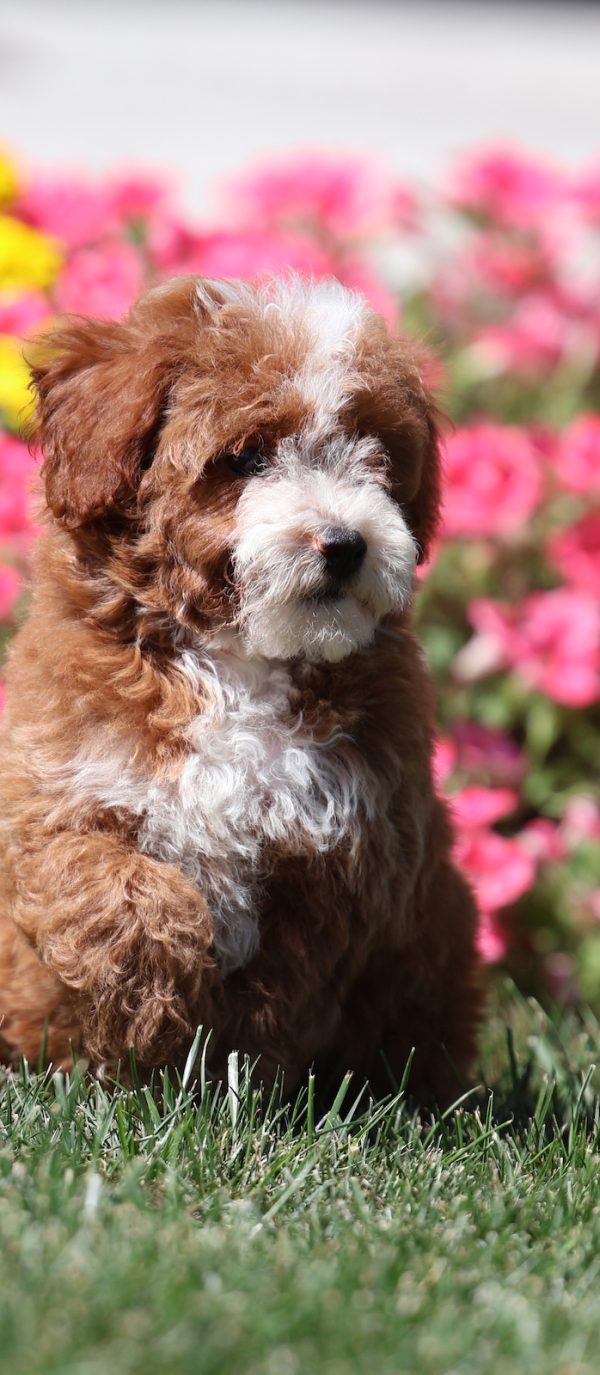
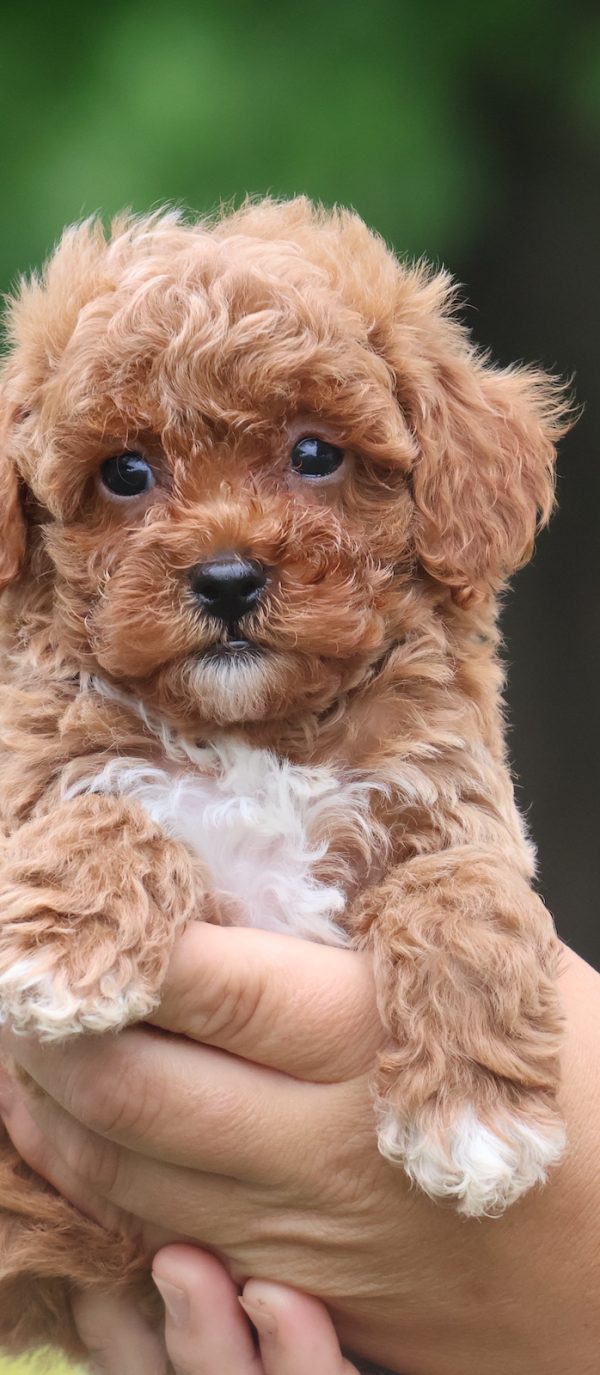
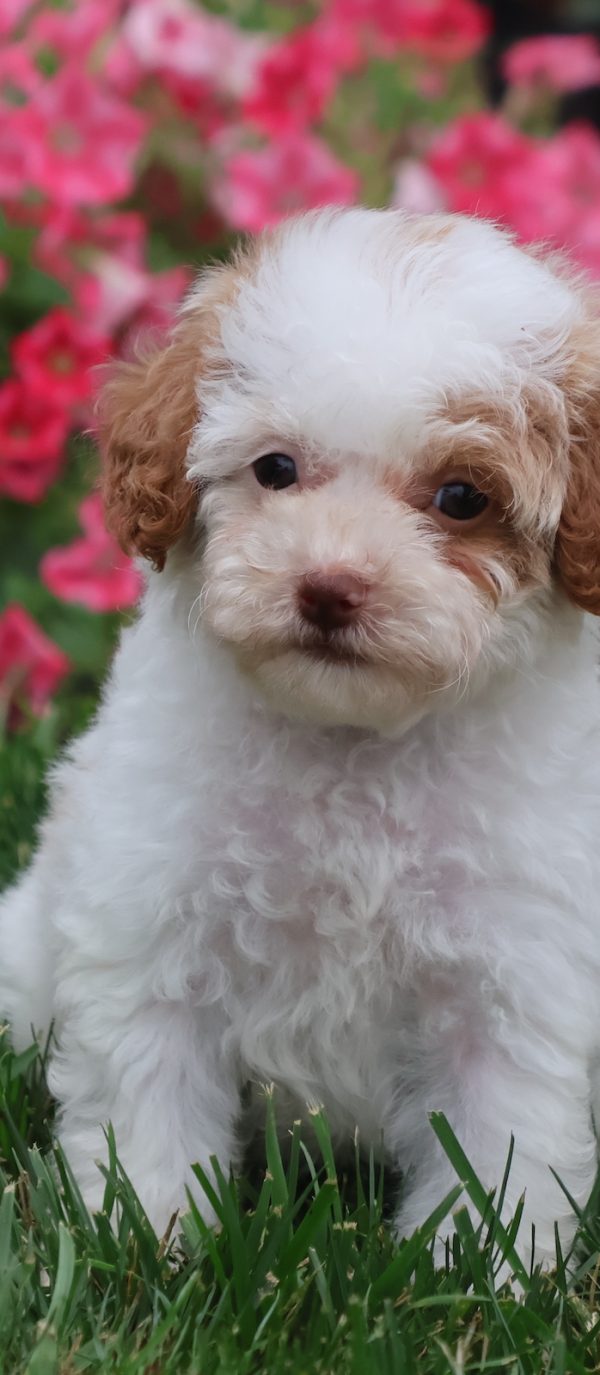
How Big Do Toy Poodles Get?
Toy Poodles are a delightful breed known for their small size and charming personality. They are one of the smallest poodle varieties, making them a popular choice for many dog lovers.
Understanding the Toy Poodle sizes is crucial for potential owners. It helps in preparing for their care and living arrangements.
Toy Poodles typically stand about 10 inches tall at the shoulder. Their compact size makes them ideal for apartment living and small spaces.
Despite their small stature, Toy Poodles are full of energy and require regular exercise. They are agile and intelligent, often excelling in dog sports and competitions.
The weight of a Toy Poodle usually ranges between 4 to 6 pounds. This lightweight nature makes them easy to handle and transport.
Toy Poodles colors come in a variety of colors, adding to their appeal. From black to apricot, their coats are as diverse as their personalities.
Proper nutrition and exercise are vital for maintaining a healthy Toy Poodle size and weight. Genetics also play a significant role in determining their full-grown size.
What Is a Toy Poodle?
A Toy Poodle is a small dog breed known for its elegance and intelligence. These dogs are part of the poodle family, specifically bred to be compact and manageable. Their origins trace back to France, where they were companions for the elite in the 18th century.
Toy Poodles are a miniature version of the Standard Poodle. They were initially bred for hunting and retrieving tasks. Over time, their size and temperament made them perfect pets for those seeking a small, playful companion.
Aside from their size, Toy Poodles are distinguished by their curly coat, which requires regular grooming. They are also hypoallergenic, making them an excellent choice for allergy sufferers. Despite their small size, they are well-known for their bright minds and lively dispositions.
Toy Poodles are favored by breeders and pet owners alike. Their combination of intelligence, charm, and trainability makes them standout companions.
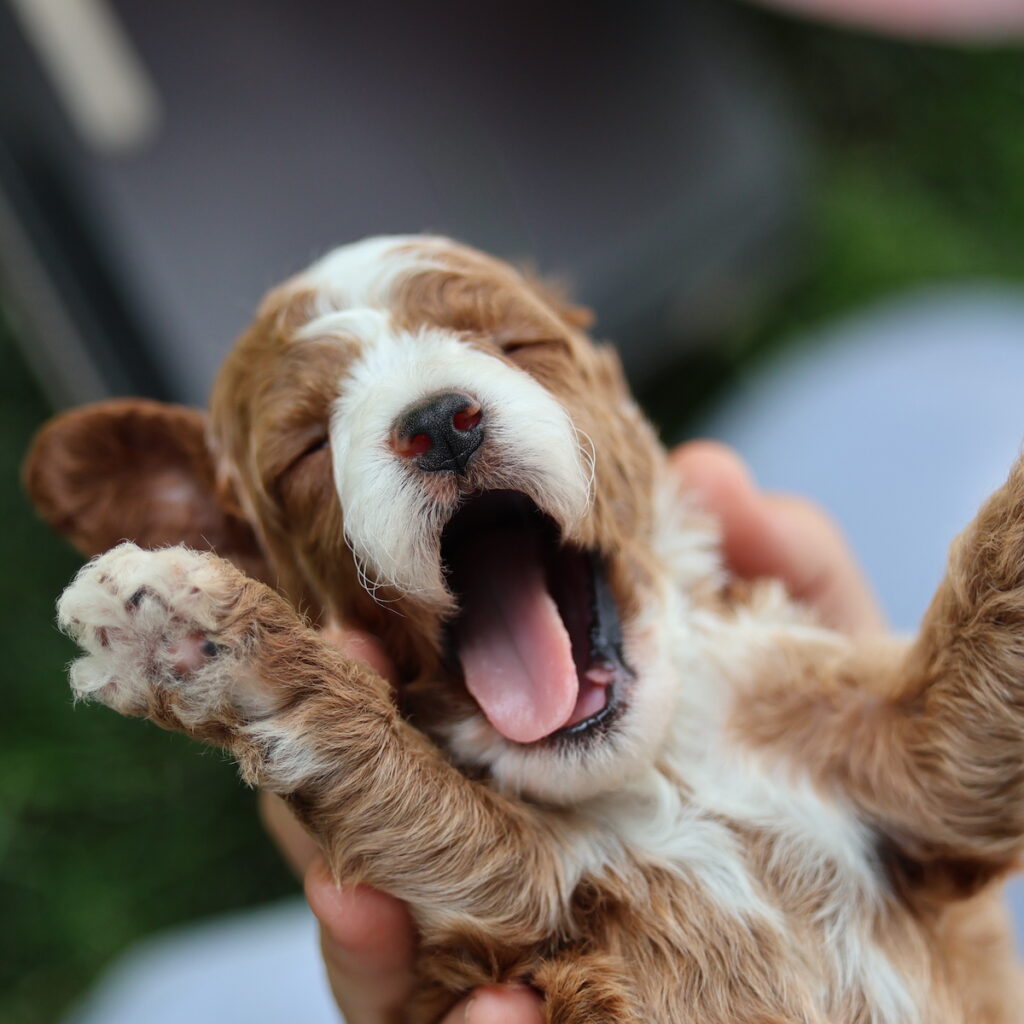
Toy Poodle Size: Height and Weight Explained
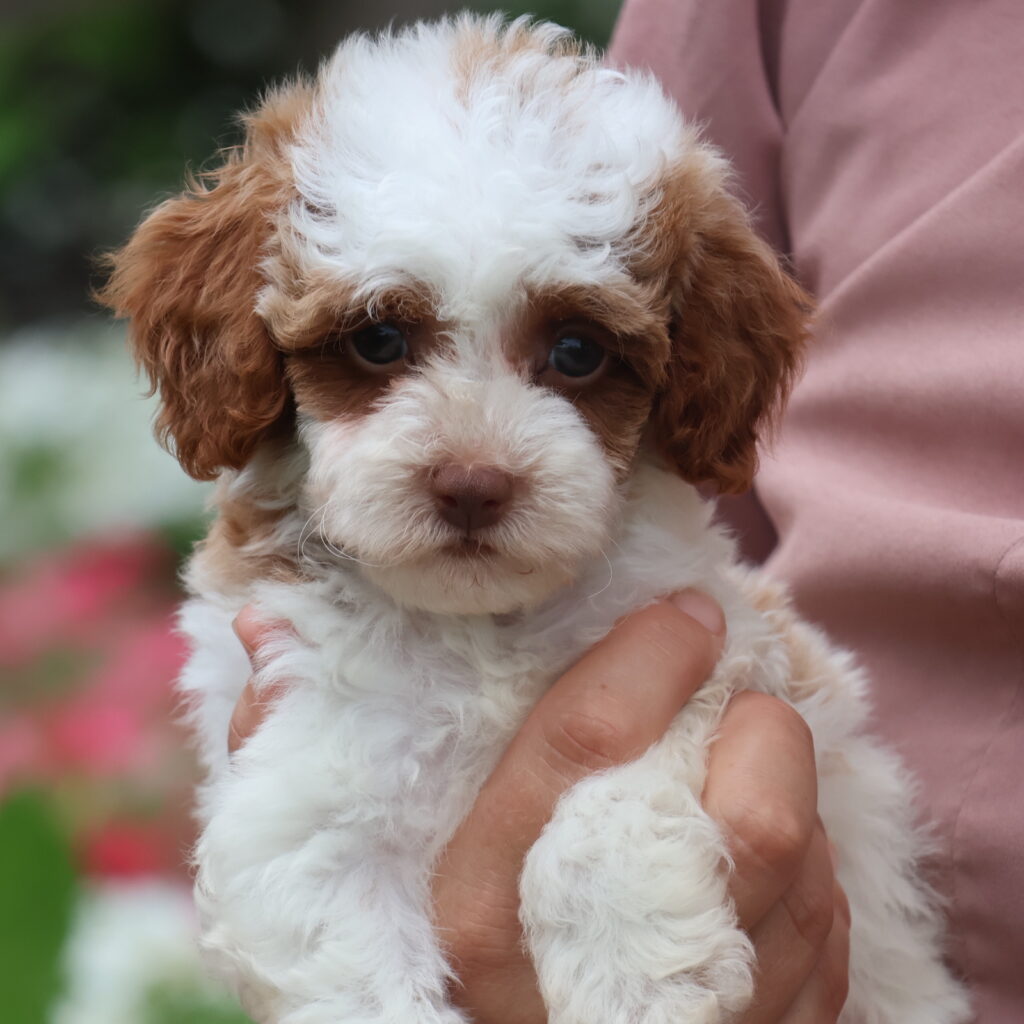
Toy Poodles rank among the smallest poodle varieties available today. Their compact size is one of their most defining and attractive traits. Typically, they stand about 10 inches tall at the shoulder, making them ideal for small spaces.
Regarding weight, Toy Poodles are quite light. They usually tip the scales at a mere 4 to 6 pounds. Their slight weight makes them easy to manage and carry, ideal for those with limited mobility.
These petite dogs maintain a proportionate build, ensuring they don’t appear too fragile. Their size doesn’t interfere with their agility or intelligence, as they are known for excelling in various competitions.
Owners should monitor a Toy Poodle’s weight and height to ensure they align with breed standards. Here’s a quick size chart for reference:
- Toy Poodle Height: Approximately 10 inches tall
- Toy Poodle Weight: 4 to 6 pounds
Factors like genetics greatly influence a Toy Poodle’s final size. While nutrition and exercise play roles too, heredity mostly determines how large they get. Monitoring growth stages ensures a Toy Poodle develops healthily.
Despite their small stature, Toy Poodles require consistent, nutritious meals. This helps them achieve their appropriate size and maintain energy levels. Regular check-ups with a vet can help keep track of their growth and address any concerns early on.
Their small size does not hinder their ability to participate in activities or live robustly. Toy Poodles balance charm and elegance with energy and intelligence. These qualities make them both lovable and manageable companions for various households.
Toy Poodle Growth Stages: From Puppy to Adult
Toy Poodles progress through distinct growth stages, each critical to their development. Understanding these phases helps owners provide optimal care and support.
The newborn stage is brief yet significant. During these initial weeks, Toy Poodles rely heavily on their mothers for nutrition and warmth. Their tiny bodies begin a rapid transformation, emphasizing the need for care and attention.
By the time they reach eight weeks, Toy Poodles are ready for weaning. At this stage, they start consuming solid foods and developing independence. Proper nutrition is essential to support their fast-paced growth and energy needs.
Around six months, they enter adolescence. This period is characterized by significant physical and behavioral changes. Toy Poodles begin to resemble their adult form, both in size and temperament.
Full maturity typically occurs by nine months. At this point, Toy Poodles reach their full size and weight. Owners should note their development against breed standards to ensure healthy growth.
Here’s a summary of the key growth stages for Toy Poodles:
- Newborn: Birth to 8 weeks
- Puppyhood: 2 to 6 months
- Adolescence: 6 to 9 months
- Adult: 9 months and beyond
Socialization remains vital throughout these stages. Exposing them to varied environments and experiences fosters well-rounded, adaptable adult Toy Poodles. Proper care during these stages results in a healthy, happy companion.
Toy Poodle Size Full Grown: What to Expect
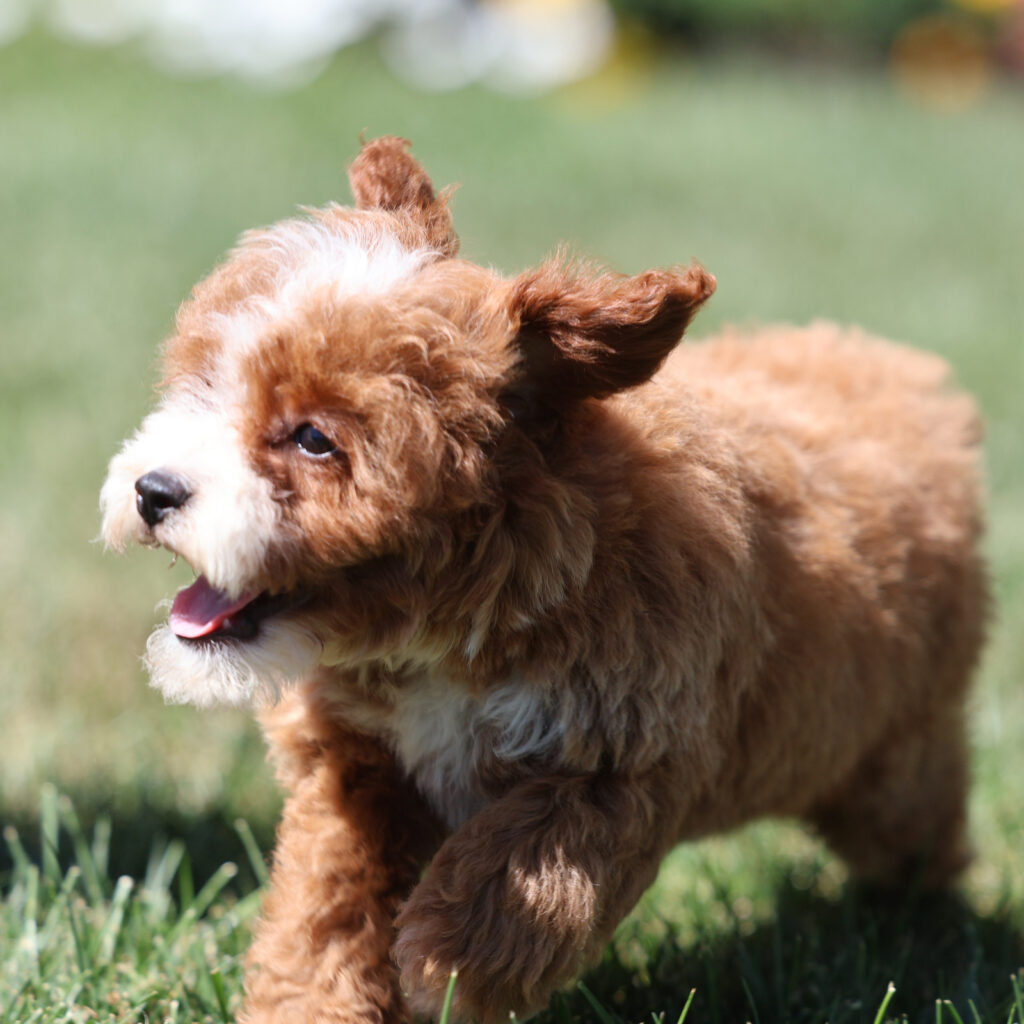
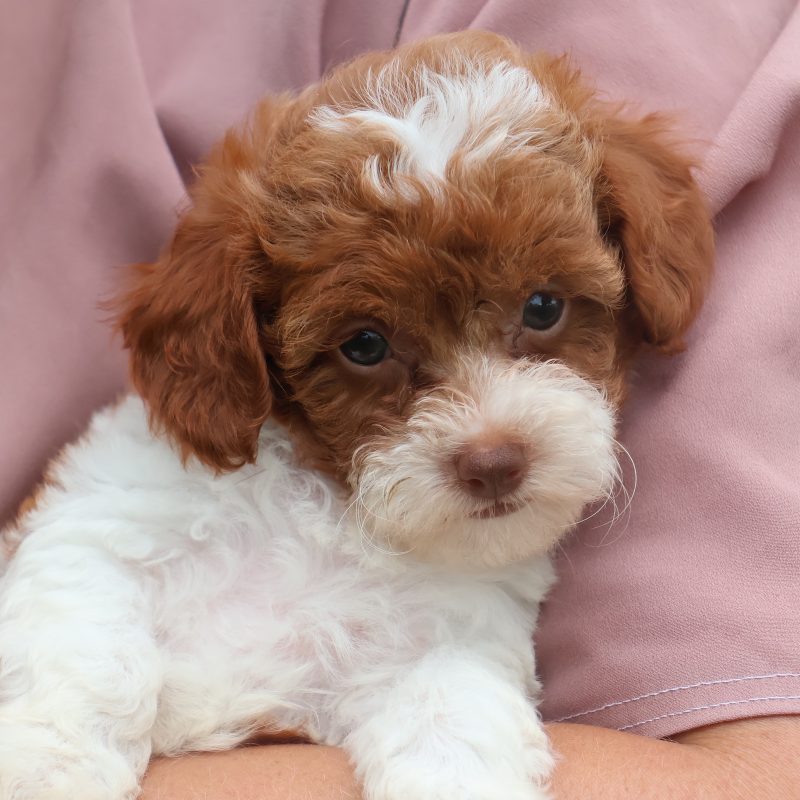
Understanding the full-grown size of a Toy Poodle is crucial for both potential and current owners. These dogs, when mature, typically stand about 10 inches tall at the shoulder. This compact size makes them an ideal choice for those living in apartments or smaller homes.
In terms of weight, a full-grown Toy Poodle often weighs between 4 to 6 pounds. Despite their delicate stature, they pack a lot of energy and curiosity into their small frames. This petite size does not imply fragility, as they are known for their surprising robustness and longevity.
The process of reaching full maturity completes around 9 months of age. By this time, owners will notice that their playful companions settle into their permanent size. Monitoring their growth during this period ensures they hit healthy milestones.
Regular vet check-ups during their growth phase help identify any potential health issues early. Ensuring proper diet and exercise is vital in maintaining their ideal weight and overall health. With the right care, a Toy Poodle’s small stature becomes a delightful advantage.
Toy Poodle Size vs. Mini Poodle and Standard Poodle
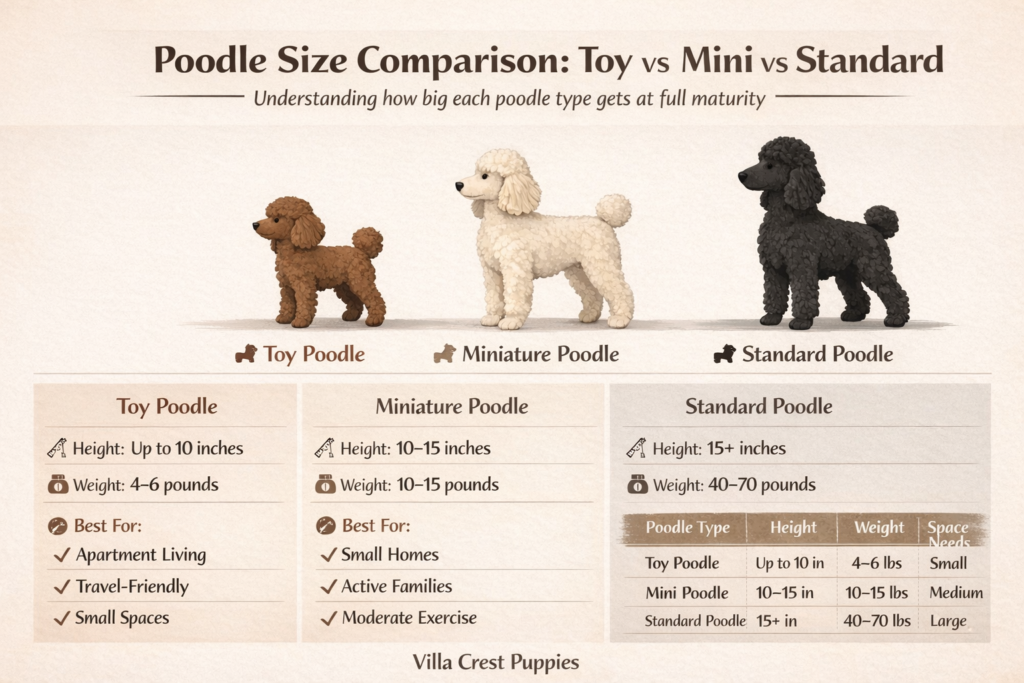
When considering different types of poodles, size is a key distinguishing factor. Toy Poodles are the smallest within the poodle varieties. In contrast, the Miniature Poodle stands taller and heftier.
The size difference becomes more apparent when comparing to the Standard Poodle. Standard Poodles tower over their Toy counterparts, reaching heights of 15 inches or more. Their weight can be significantly higher too, often ranging from 40 to 70 pounds.
For clarity, here’s a simple breakdown:
- Toy Poodle: Around 10 inches tall, 4 to 6 pounds.
- Miniature Poodle: About 10 to 15 inches tall, 10 to 15 pounds.
- Standard Poodle: 15 inches or more, 40 to 70 pounds.
The wide range among these types allows potential owners to choose a size that best fits their lifestyle. Toy Poodles are perfect for those seeking a compact, agile companion. However, each type offers unique traits, and size is just a part of what makes each Poodle special.
Factors That Influence Toy Poodle Size and Weight
Several factors contribute to the size and weight of a Toy Poodle. Genetics plays a primary role in determining a Toy Poodle’s eventual size. Breeders often consider the lineage of the dog to predict potential growth.
Nutrition is another significant factor. A balanced diet helps maintain healthy growth. It ensures proper development and prevents obesity or underweight issues.
Exercise and activity levels impact overall size and weight as well. Consistent physical activity helps manage weight and improve muscle tone. Lack of exercise may lead to excessive weight gain.
Key factors include:
- Genetics and lineage
- Balanced nutrition
- Exercise and activity levels
Environmental factors like living conditions can also influence a poodle’s growth pattern.
Providing a stress-free, healthy environment supports optimal size and weight development in Toy Poodles. Being aware of these elements helps owners keep their pets healthy.
Toy Poodle Colors and Their Impact on Size
Toy Poodles come in various colors, including black, white, apricot, and red. The variety in their coat does not directly affect their size. Size differences among Toy Poodles are mostly due to genetics and not coat color.
While the coat color doesn’t influence size, it does add to the dog’s charm. Different colors can emphasize the elegant appearance of the Toy Poodle. Each color variation offers unique aesthetic appeal to potential owners.
Whether choosing an apricot or a black Toy Poodle, it’s essential to focus on healthy development. Regardless of hue, every Toy Poodle’s size is defined mainly by genetics, nutrition, and overall care.
Caring for Your Toy Poodle: Nutrition, Exercise, and Health
Proper nutrition is crucial for maintaining the ideal Toy Poodle size and weight. A balanced diet keeps them energetic and supports overall health. Choose high-quality dog food that meets their dietary needs.
Exercise plays a vital role in your Toy Poodle’s life. Despite their small size, they have high energy levels and require daily activities. Walking and playtime help maintain their weight and mental alertness.
Regular health check-ups are essential for early detection of potential health issues. Frequent visits to the vet ensure your Toy Poodle stays healthy and receives necessary vaccinations. This proactive approach reduces health risks.
Key Care Tips:
- Provide balanced and nutritious meals.
- Engage in daily exercise and play.
- Schedule regular vet check-ups.
- Monitor their weight regularly.
Toy Poodles are intelligent and thrive on mental stimulation. Consider training exercises and puzzle toys to keep their minds active. This prevents boredom and encourages positive behaviors.
Incorporating these care practices ensures a well-rounded lifestyle. Keeping your Toy Poodle healthy and happy enhances their quality of life and longevity. Your commitment results in a joyful and loyal companion.
Grooming and Maintenance for Toy Poodles
Toy Poodles require consistent grooming to keep their coats healthy and free of matting. Their curly fur necessitates frequent attention to prevent tangles. Regular brushing is crucial to manage their distinct coat effectively.
Grooming involves more than just brushing. Bathing your Toy Poodle is necessary every three to six weeks to maintain cleanliness. Keeping their fur clean helps avoid skin issues and keeps them looking their best.
In addition to coat care, regular checks on nails, ears, and teeth are vital. Clipping nails, cleaning ears, and dental hygiene contribute to overall health. These grooming habits ensure a well-maintained appearance and long-term wellness.
Essential Grooming Steps:
- Brush their coat several times a week.
- Bathe regularly, every three to six weeks.
- Trim nails and clean ears routinely.
Implementing these grooming practices enriches your Toy Poodle’s life. Ensuring they feel comfortable and well-cared-for strengthens your bond and boosts their confidence.
Common Health Issues Related to Size in Toy Poodles
Toy Poodles, due to their small size, are predisposed to some specific health issues. Regular check-ups can help identify and address these problems early. Awareness and prevention play key roles in maintaining your Poodle’s health.
One common concern is patellar luxation. This knee issue is more prevalent in smaller dogs, affecting their mobility. Early signs can include limping or an unusual gait.
Toy Poodles can also experience dental problems. Their small jaws can crowd teeth, leading to plaque buildup. Regular dental care is essential to prevent tooth loss and gum disease.
Hypoglycemia is another concern for Toy Poodles. Their small size means they can have trouble regulating blood sugar. Frequent small meals can help manage this risk.
Common Health Concerns:
- Patellar luxation
- Dental issues
- Hypoglycemia
Proactive care and attention minimize the impact of these issues. Encouraging good health practices ensures your Toy Poodle enjoys a fulfilling and active life.
Choosing a Toy Poodle Breeder: What to Look For
Selecting a reputable Toy Poodle breeder is crucial for a healthy puppy. Quality breeders prioritize the wellbeing and temperament of their dogs. Always do thorough research before making a decision.
Look for breeders who allow you to visit their facilities. Seeing the environment where puppies are raised can provide insights into their health and care. Responsible breeders will be happy to answer any questions you have.
It’s essential to verify that the breeder conducts health screenings. Ensure they test for genetic issues and provide vaccination records.
Key Points When Choosing a Breeder:
- Visit the facilities
- Check for health screenings
- Ask detailed questions
Taking these steps helps ensure you bring home a healthy and happy Toy Poodle, making your adoption experience joyful and rewarding.
Frequently Asked Questions About Toy Poodle Size
Toy Poodles reach a height of about 10 inches at the shoulder. This measurement makes them one of the smallest poodle types.
Toy Poodles typically weigh between 4 to 6 pounds. Maintaining a healthy weight requires appropriate nutrition and regular exercise.
Toy Poodles usually reach their full-grown size by 6 to 9 months of age. Growth may slightly vary based on genetics and health.
Due to their small size, Toy Poodles are prone to issues like hypoglycemia. Routine veterinary check-ups can help manage these risks.
Generally, male and female Toy Poodles are similar in size. However, slight differences can occur based on individual factors.
- Average height: 10 inches
- Weight: 4 to 6 pounds
- Full-grown by 9 months
Understanding these aspects helps in providing the best care for your Toy Poodle.
Conclusion: Is a Toy Poodle the Right Size for You?
Deciding if a Toy Poodle is the right size for you depends on your lifestyle and home environment. With a height of around 10 inches and weight between 4 to 6 pounds, they are ideal for small spaces and urban living.
Toy Poodles require dedicated grooming, regular exercise, and mental stimulation. Their small size makes them a perfect match for singles, families, and seniors seeking a loyal companion.
Consider your ability to meet their grooming and exercise needs. If so, a Toy Poodle might just be the perfect fit for your life.